
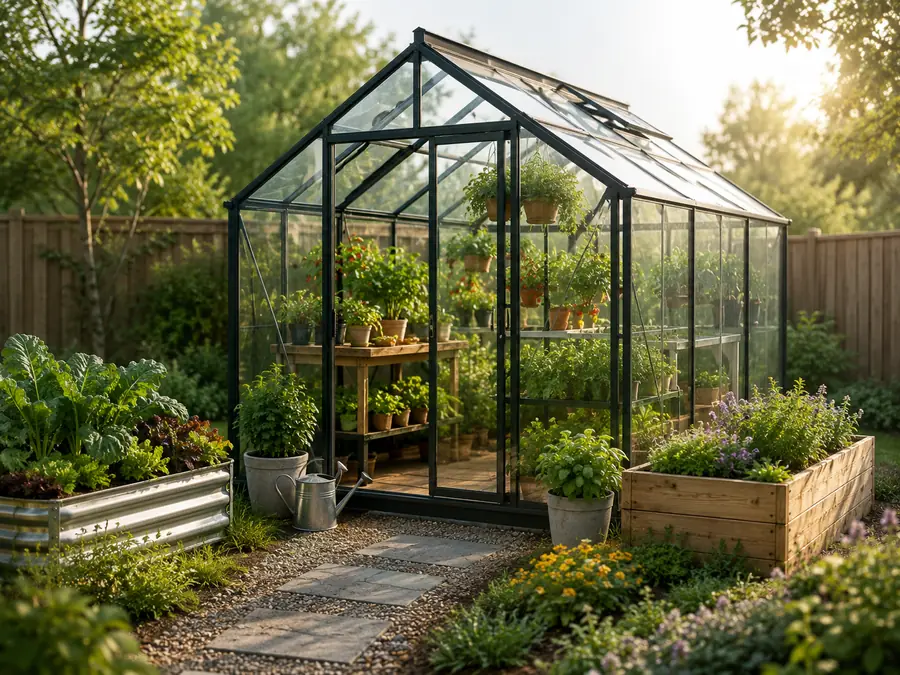
A greenhouse gives homeowners the freedom to garden with more control, more consistency, and more enjoyment throughout the year. Whether you want fresh herbs near the kitchen, vegetables for family meals, flowers for the patio, or a peaceful hobby space, a greenhouse can help you grow beyond the limits of ordinary outdoor beds. It protects plants from harsh weather, extends the growing season, and creates a beautiful focal point in the backyard.
Successful greenhouse gardening is not only about buying a structure and filling it with plants. It requires planning, organization, airflow, light management, watering habits, and seasonal adjustments. The good news is that these steps are simple once you understand how a greenhouse works. With the right setup, even a beginner can create a productive and attractive growing space that feels useful all year.
Choose the right location
The first step is choosing where the greenhouse should sit. Light is one of the most important factors. Most edible plants need several hours of direct sun each day, especially tomatoes, peppers, cucumbers, basil, and many flowering plants. A location with good morning and midday sun is usually ideal. Avoid placing the greenhouse in deep shade unless you plan to grow shade-tolerant plants or use supplemental lighting.
Convenience matters too. A greenhouse that is easy to reach will be used more often. Place it near a garden path, water source, or patio if possible. If you have to cross wet grass or walk far in poor weather, daily care becomes harder. A simple gravel path or stepping stones can make the space feel polished and functional while protecting the lawn around the entrance.
Plan for airflow and ventilation
Good airflow is essential for healthy greenhouse gardening. Without ventilation, heat and humidity can build up quickly. This creates stress for plants and can invite pests or disease. Roof vents, side vents, louvered panels, fans, and open doors all help air move through the space. Even in cooler seasons, the greenhouse needs fresh air on mild days.
Watch how your greenhouse feels at different times of day. If the air becomes heavy, damp, or too warm, increase ventilation. On hot days, opening vents early can prevent overheating before it starts. In warmer climates, shade cloth can also reduce heat. The goal is to keep plants protected without trapping stale air inside.
Understand temperature control
A greenhouse can become surprisingly warm when the sun is strong, even during cool months. This warmth is helpful in winter and early spring, but it can become a problem in summer. Use a simple thermometer so you know what is happening inside. Many gardeners are surprised to learn how quickly the temperature changes after direct sunlight hits the glass or panels.
During colder months, thermal mass can help stabilize temperatures. Water barrels, stone paths, and dense containers absorb heat during the day and release it slowly at night. In very cold regions, a small safe greenhouse heater may be needed for tender plants. In summer, ventilation, shade cloth, and careful watering become more important than added heat.
Create an organized layout
A tidy greenhouse is easier to maintain and more productive. Start by planning a central walkway with shelves or benches on each side. Keep frequently used tools near the entrance. Store soil, pots, labels, gloves, and watering supplies in containers or on a dedicated shelf. When everything has a place, the greenhouse stays enjoyable instead of becoming cluttered.
Use vertical space. Hanging baskets, wall racks, tiered shelves, and plant supports allow you to grow more without crowding the floor. Tall crops like tomatoes and cucumbers can grow upward with stakes, strings, or cages. Lower shelves can hold seedlings and herbs. Good organization also improves airflow because plants are not packed too closely together.
Start with easy plants
If you are new to greenhouse gardening, begin with plants that are forgiving. Herbs such as basil, parsley, mint, thyme, oregano, and chives are excellent choices. Lettuce, spinach, kale, and other greens grow quickly and can be harvested repeatedly. Radishes and microgreens are also satisfying because they show results fast.
Once you feel confident, move into tomatoes, peppers, cucumbers, strawberries, and flowers. These plants may need more support, pruning, and temperature awareness, but they reward you with strong harvests. Starting simple helps you understand the greenhouse environment before managing more demanding crops.
Use quality containers and soil
Healthy roots create healthy plants. Use containers with drainage holes and avoid leaving pots sitting in standing water. A lightweight potting mix is usually better than heavy garden soil because it drains well and reduces compaction. For vegetables and herbs, choose a mix designed for containers and refresh it as needed.
Over time, nutrients in containers become depleted. Add compost, slow-release fertilizer, or organic plant food according to the needs of each crop. Avoid over-fertilizing, especially with young seedlings. A balanced approach helps plants grow steadily without weak, overly fast growth. Label containers so you know what you planted and when.
Water carefully and consistently
Greenhouse plants depend on you for water because they do not receive rainfall. However, more water is not always better. Overwatering can cause root problems, fungus, and weak plants. Check the soil before watering. If the top inch is dry for many container plants, it may be time to water. Seedlings need gentle moisture, while mature plants may prefer deeper watering less often.
Water early in the day when possible. This allows leaves and surfaces to dry before night, reducing disease risk. Drip irrigation or self-watering systems can help if you are busy, but manual watering gives you a chance to inspect the plants closely. As seasons change, adjust your routine. Plants usually need more water in summer and less in winter.
Manage humidity
Humidity is part of greenhouse gardening, but too much can cause problems. Condensation on panels, damp surfaces, and poor airflow can increase the chance of mold or plant disease. Ventilation is the first solution. Spacing plants properly also helps. Avoid letting leaves constantly touch each other or press against the glass.
If humidity is very high, water the soil rather than the leaves and remove dead foliage quickly. Keep floors clean and avoid storing wet materials in corners. A greenhouse should feel fresh and active, not stagnant. Good humidity management makes the space healthier and more comfortable to use.
Protect plants from pests
A greenhouse can reduce many outdoor problems, but pests can still appear. Aphids, whiteflies, spider mites, fungus gnats, and other insects may enter through doors, vents, soil, or new plants. Inspect leaves regularly, especially the undersides. Catching pests early is much easier than dealing with a full infestation later.
Use clean pots, remove plant debris, and quarantine new plants briefly before placing them with the rest of your collection. Sticky traps can help monitor flying insects. For small pest problems, gentle methods such as washing leaves, pruning affected sections, or using appropriate plant-safe treatments may be enough. Healthy plants in a clean greenhouse resist problems better.
Rotate crops and refresh the space
Year-round greenhouse success depends on seasonal planning. In spring, start seedlings and early greens. In summer, focus on heat-loving crops and strong ventilation. In fall, transition to cool-season greens and herbs. In winter, grow slower crops, protect tender plants, and use the greenhouse as a sheltered space for overwintering.
Rotate crops when possible, especially if you grow vegetables in larger containers or raised beds inside the greenhouse. Refresh soil, clean shelves, wash containers, and remove tired plants at the end of each season. A clean reset keeps the space productive and prevents problems from carrying over.
Make the greenhouse beautiful
A greenhouse can be more than a utility structure. With a little design attention, it can become one of the most charming features in your yard. Add a gravel path, raised beds, potted flowers, a small potting bench, lantern-style lighting, or simple seating nearby. The area around the greenhouse should feel connected to the rest of the landscape.
Consider how the greenhouse looks from the patio or kitchen window. Surround it with plants that soften the edges and create a garden destination. Keeping tools organized and surfaces clean helps the greenhouse remain attractive even when it is actively used. Beauty and practicality can work together.
Use companion planting and grouping
Grouping plants with similar needs makes greenhouse care easier. Herbs that prefer regular trimming can sit together, while moisture-loving greens can share a different bench. Sun-loving tomatoes and peppers should be positioned where light is strongest, and delicate seedlings can be placed where they are protected from intense heat. This simple organization reduces guesswork and helps each plant receive the right care.
Companion planting can also improve the greenhouse environment. Basil is often grown near tomatoes, flowering plants can attract beneficial insects when doors and vents are open, and aromatic herbs can add fragrance while making the space more enjoyable. The main goal is to understand each plant’s requirements and arrange the greenhouse so care routines feel natural.
Keep records of what works
A small garden notebook can make a big difference. Write down planting dates, seed varieties, watering patterns, temperature changes, pest issues, and harvest results. Over time, these notes reveal what works best in your greenhouse. You may discover that certain crops perform better in spring, while others thrive later in the season. This knowledge makes each year more successful.
Records also help you avoid repeating mistakes. If a plant struggled because the greenhouse was too hot in July, you can plan shade or ventilation earlier next year. If seedlings grew too tall and weak, you may adjust light or timing. Greenhouse gardening becomes easier when observations turn into a simple improvement plan.
Build a routine you enjoy
The most successful greenhouse owners make plant care part of a pleasant routine. A few minutes each morning can be enough to check moisture, open vents, remove yellow leaves, and notice early problems. Instead of treating the greenhouse as another task, make it a calming part of the day. Bring a cup of coffee, enjoy the warmth, and take time to observe small changes.
Consistent attention is more valuable than occasional heavy work. Plants respond well to steady care, and the greenhouse stays cleaner when little tasks are handled often. When the routine feels enjoyable, your greenhouse becomes more than a growing structure. It becomes a peaceful backyard destination.
Final thoughts
Greenhouse gardening is rewarding because it gives you more control over your growing environment. With the right location, good airflow, organized shelves, quality soil, careful watering, and seasonal planning, you can grow healthier plants and enjoy your garden for more of the year. Start simple, observe often, and make small improvements as you learn. Over time, your greenhouse can become a beautiful and productive part of your outdoor lifestyle.
Leave a Reply